Automated engineering documentation: auditable drafts instead of writing work
Test reports, release notes, ASPICE evidence documents – a substantial share of engineering work goes into recurring documents. We generate them automatically as auditable drafts from the source systems, with a source reference per statement and automated evidence checking before sign-off.
The situation
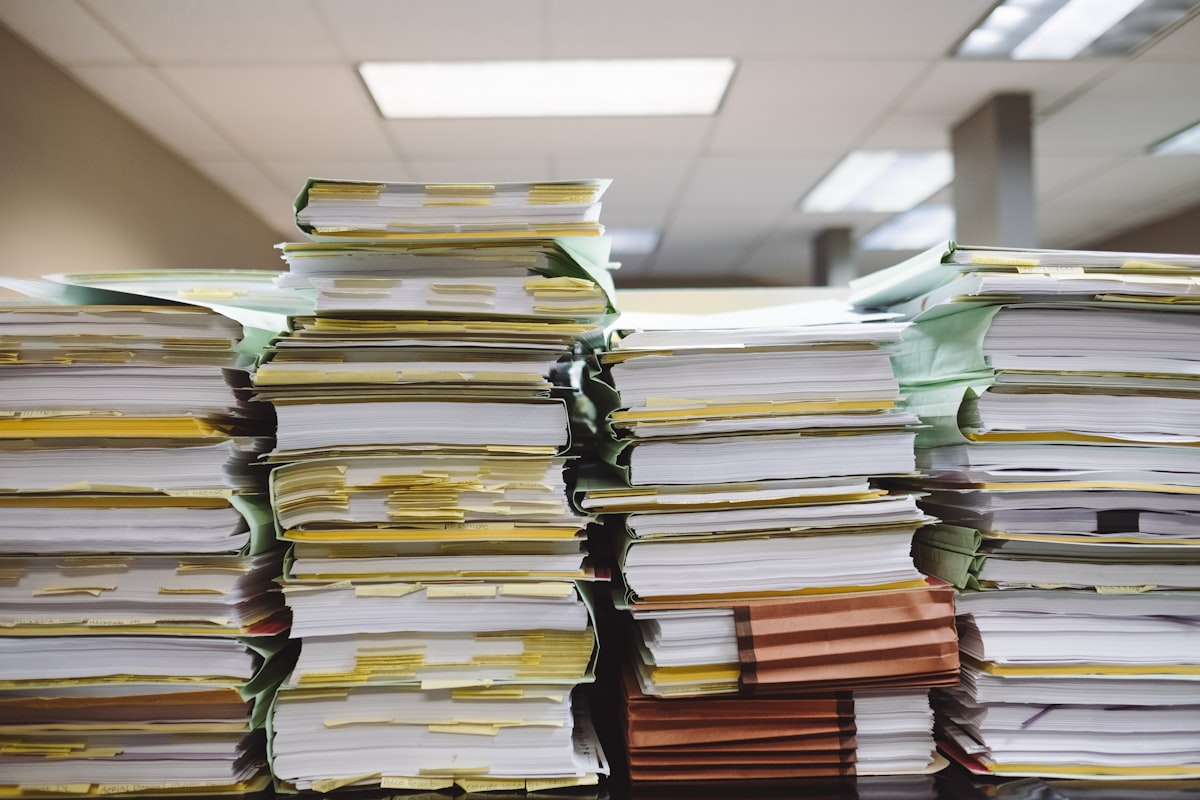
The content for a test report sits in test management, that for release notes in tickets and version records, that for the ASPICE evidence document across several systems. Yet an engineer writes each of these documents by hand – transcribing data that already exists in structured form.
That costs more than time: manual transcription creates transcription errors, and in an audit it takes real effort to reconstruct which data state a document was based on.
Typical data basis
Structured source systems: test results, tickets, version records, requirements, change history. The customer's document templates and formatting rules, including the mandatory sections per document type.
In addition, existing approved sample documents as style and structure reference, and legacy documents in PDF and Office form where needed as sources.
Why such initiatives fail
Template fidelity is mandatory. Templates, mandatory content and formal rules have to be met exactly – in an audit, every deviation counts.
Many systems, one truth. Content from different sources has to be merged consistently, even where names and version states do not match.
No room for AI filler text. Every statement needs a solid source and must be traceable down to the underlying data. A language model that fills gaps plausibly disqualifies the entire system.
Responsibility stays with the engineer. The system delivers auditable drafts – sign-off and responsibility clearly remain with the engineer in charge.
Approach
Template first, text last. The documents are template-based: structure and mandatory sections come from the customer's template, the content from the connected source systems. Legacy documents are processed through VLM-based document processing that preserves tables and numbering. Merging happens first at the data level into a validated intermediate format – only then is text produced.
The language model only phrases. It handles exclusively phrasing and summarisation over already-verified source data and works against a fixed output schema that specifies, section by section, which fields to fill. Free generation without a data basis is technically ruled out: where a source value is missing, the spot stays marked as an open item instead of being written up plausibly. Every section carries references to its sources.
Evidence check before sign-off. An automated check compares every statement in the draft against the assigned source data and flags anything not found there. A completeness check verifies the template's mandatory sections. Draft, source states and check results are stored versioned – in an audit it is traceable which data state a document was created from.
What you get
From writing to reviewing: routine documents are produced at the push of a button as auditable drafts – engineers concentrate on review and technical additions.
Traceability built in: source states and evidence travel with the document automatically; every statement can be traced back to the underlying raw data point. What has to be laboriously reconstructed with manual documentation is part of the process here from the start.
We measure against three quantities, collected before the start and repeated after the introduction: processing time per document from request to sign-off, the share of drafts approved without content rework, and the number of objections in review. The goal is dependable relief from recurring writing work, not the maximisation of a single metric.
Where our experience comes from
We build pipelines that generate analyses and reports automatically from structured source data, and we mine large document corpora at machine scale.
Last updated: 13 August 2026